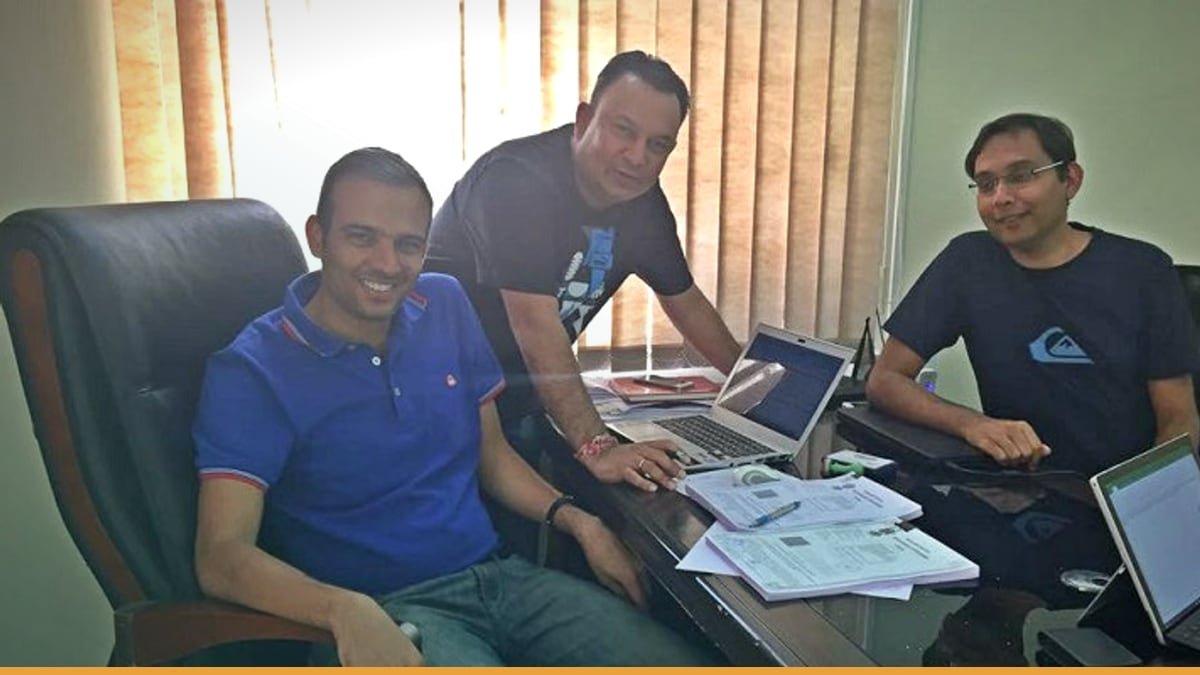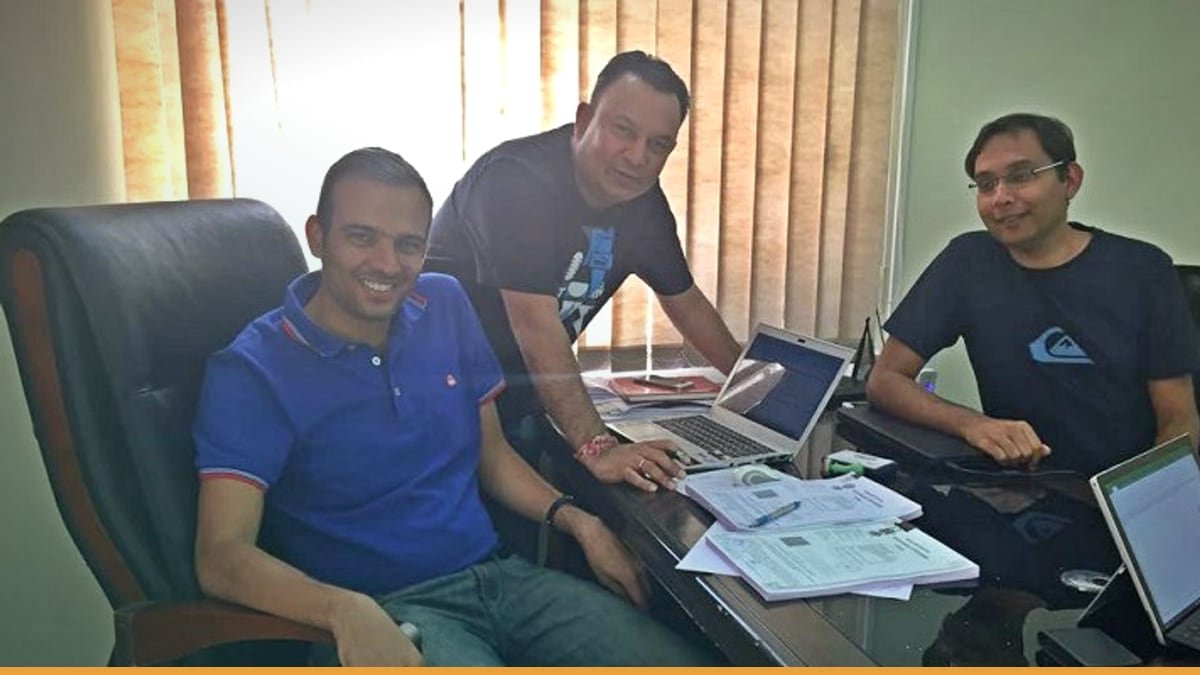
Header image source: On track to distribute Rs 2,000cr worth of loans, Finance Buddha might lend you the amount you need | YourStory via YourStory.com via Google — cropped to 16:9 and colour-adjusted.
Key takeaways
- Finance Buddha is a loan aggregator, not an RBI-approved lender
- It partners with RBI-registered NBFCs but isn’t directly regulated
- Borrowers face data privacy and transparency risks with aggregators
Finance Buddha is not a financial institution regulated by the RBI. Full stop. It’s a loan aggregator, not a financial institution, and the Reserve Bank of India doesn’t regulate it. But here’s the catch—the loans it arranges come from RBI-registered NBFCs. So while the platform itself operates in a regulatory grey zone, the lenders it partners with don’t. That distinction matters more than most borrowers realise.
The confusion isn’t an accident. Dig into the fine print, and it’s clear: Finance Buddha is a digital middleman, not a lender. The RBI’s rules on interest rates, fair practices, and borrower protection apply to the NBFCs issuing the loans—not to the aggregator connecting you to them.
What “RBI Approved” Really Means
The RBI’s stamp of approval isn’t some vague seal of trust. It’s a rigorous, ongoing process reserved for banks, non-banking financial companies (NBFCs), and specific categories like peer-to-peer lending platforms. To earn that approval, an entity must meet capital requirements, risk management standards, and compliance protocols—none of which apply to loan aggregators.
Finance Buddha doesn’t underwrite loans, hold deposits, or extend credit. It’s a marketplace, not a bank. The RBI’s master directions on NBFCs and outsourcing make this explicit: regulated entities (think Bajaj Finance or Tata Capital) can partner with third-party platforms, but those platforms don’t inherit RBI oversight. The lender remains responsible for compliance, but the aggregator? It’s on its own.
This isn’t unique to Finance Buddha. Policybazaar, BankBazaar, even Amazon’s loan marketplace—all function the same way. They’re tech platforms, not financial entities, and the RBI’s purview doesn’t extend to them. The difference? Most of those platforms are upfront about their role. Finance Buddha leans hard on the trustworthiness of RBI-regulated lenders without making it clear that the platform itself isn’t part of that ecosystem.
How Finance Buddha Works: The Aggregator Playbook
Finance Buddha’s process is simple: you input your details, the platform matches you with a lender from its network, and if approved, the lender disburses the loan. The key detail? Finance Buddha doesn’t make lending decisions. It doesn’t set interest rates, determine eligibility, or service the loan. It’s a lead generator, period.
The revenue model reflects that. Finance Buddha earns commissions or fees from lenders for every successful loan it facilitates. It doesn’t profit from interest—just from connecting borrowers with lenders. This is identical to how Policybazaar makes money from insurance policies or how JustDial monetises business listings.
The comparison to insurance aggregators is useful. No one expects Policybazaar to be IRDAI-approved because it’s not an insurer. It’s a comparison tool. Finance Buddha occupies the same space in lending. The problem? Lending feels more personal, more risky. Borrowers assume that if a platform is offering loans, it must be regulated. That assumption is wrong—and Finance Buddha’s disclosures, while technically accurate, don’t do enough to correct it.
The RBI-Registered Lenders Behind Finance Buddha’s Loans
Finance Buddha claims to work exclusively with RBI-approved NBFCs. That’s a critical safeguard. Lenders like Bajaj Finance, Fullerton India, and Tata Capital are all registered with the RBI and subject to its regulations. This means:
- Interest rate caps: RBI rules prevent lenders from charging exorbitant rates, though NBFCs have more flexibility than banks.
- Fair practices code: Lenders must disclose all fees, charges, and terms upfront.
- Grievance redressal: Borrowers can escalate complaints to the lender’s grievance officer or the RBI’s Ombudsman.
That compliance is borrowed, not inherent. The loans themselves are regulated, but the platform facilitating them isn’t.
This is where the risk lies. If Finance Buddha misrepresents loan terms, mishandles your data, or engages in misleading advertising, the RBI’s oversight of the lender doesn’t extend to the aggregator. You’d have recourse against the lender for the loan itself, but not against Finance Buddha for its actions. The RBI’s outsourcing guidelines make this explicit: regulated entities remain responsible for third-party actions, but the third parties themselves aren’t directly liable.
Risks and Gaps: What RBI Approval Doesn’t Cover
Finance Buddha’s lack of direct RBI approval introduces risks that most borrowers gloss over:
1. Data Privacy and Security
Aggregators collect sensitive financial data—bank statements, Aadhaar details, PAN numbers—but they’re not subject to the RBI’s data protection guidelines for financial institutions. If Finance Buddha suffers a data breach, your recourse is limited to consumer courts or the Information Technology Act—not the RBI.
2. Transparency of Fees and Terms
RBI-regulated lenders must disclose all charges, but aggregators aren’t held to the same standard. Finance Buddha’s website lists “processing fees” and “prepayment penalties,” but the fine print often reveals that these are set by the lender, not the platform. If the aggregator obscures these details in the application process, the RBI’s Fair Practices Code doesn’t apply—because the aggregator isn’t the one extending the loan.
3. Misleading Marketing
The RBI’s guidelines on fair advertising apply to lenders, not aggregators. If Finance Buddha exaggerates approval odds or downplays eligibility requirements, the lender might face penalties—but the platform itself won’t. This creates a perverse incentive: aggregators can push risky loans or misleading terms, knowing the lender bears the compliance burden.
4. Dispute Resolution
If you have a complaint about your loan—unauthorised charges, harassment by recovery agents—the RBI’s Ombudsman scheme applies. But if the issue stems from Finance Buddha’s actions (e.g., incorrect data submission, misleading promises), you’re stuck navigating consumer forums or civil courts. The RBI’s grievance redressal mechanisms don’t cover aggregators.
How to Verify RBI Approval for Yourself
Don’t take Finance Buddha’s word for it. Here’s how to confirm whether a lender is RBI-approved:
- Check the RBI’s NBFC Master List
The RBI maintains a public registry of all registered NBFCs. Search for the lender’s name here: https://www.rbi.org.in/Scripts/BS_NBFCList.aspx. If it’s not on the list, it’s not RBI-approved.
- Look for Disclosure on the Platform
Legitimate aggregators name their RBI-approved partners upfront. Finance Buddha’s website lists some of its lenders, but not all. CredBuddha’s site is clearer: it states that it partners only with RBI-regulated NBFCs. If a platform claims “RBI approval” for itself, it’s misleading.
- Avoid Red Flags
- No lender names: If a platform doesn’t disclose its partners, walk away.
- Guaranteed approvals: RBI-regulated lenders can’t guarantee approvals—only aggregators can make that claim.
- No physical address: RBI-registered NBFCs must have a registered office. Aggregators often hide behind PO boxes or virtual addresses.
- Read the Loan Agreement
The loan agreement will always name the lender. Verify that the lender is RBI-approved before signing.
Alternatives: RBI-Approved vs. RBI-Partnered Platforms
Not all financial platforms operate like Finance Buddha. Here’s how other models stack up:
1. Direct RBI Approval
- Banks: HDFC, SBI, ICICI—fully regulated by the RBI.
- NBFCs: Bajaj Finance, Tata Capital—RBI-registered and subject to lending guidelines.
- P2P Lending Platforms: Faircent, Lendbox—RBI-registered as NBFC-P2Ps, meaning they’re directly regulated.
These entities are directly accountable to the RBI. If they violate rules, the RBI can impose penalties, revoke licenses, or take legal action.
2. Aggregators (RBI-Partnered)
- Loan Aggregators: Finance Buddha, CredBuddha, BankBazaar.
- Insurance Aggregators: Policybazaar, Coverfox.
- Investment Aggregators: Groww, ET Money.
These platforms partner with RBI-regulated entities but aren’t themselves approved. They’re tech companies, not financial institutions.
3. Unregulated Platforms
- Payday Loan Apps: Many operate outside RBI oversight, charging exorbitant interest rates and using aggressive recovery tactics.
- Informal Lenders: Chit funds, local moneylenders—no RBI approval, no borrower protections.
Finance Buddha sits in the middle: not unregulated, but not RBI-approved either. It’s a conduit to regulated lenders, but the conduit itself isn’t monitored.
What Happens If Finance Buddha Violates RBI Rules?
Nothing. The RBI has no direct authority over Finance Buddha because it’s not a regulated entity. But there are indirect consequences:
- Lender Penalties
If Finance Buddha’s actions (e.g., mis-selling loans, data breaches) cause its lending partners to violate RBI rules, those lenders could face fines or restrictions. For example, if Finance Buddha submits incorrect borrower data leading to a lender exceeding RBI’s lending limits, the lender—not the aggregator—would be penalised.
- Loss of Partnerships
RBI-regulated lenders are responsible for the actions of their third-party partners. If Finance Buddha engages in misleading practices, lenders might sever ties to avoid regulatory scrutiny. This is already happening in the payday loan app space, where banks have cut off partnerships with non-compliant apps.
- Consumer Complaints
Borrowers can file complaints with the lender’s grievance officer or the RBI’s Ombudsman, but these mechanisms don’t cover aggregators. For issues specific to Finance Buddha (e.g., misleading ads, data misuse), consumers would need to approach consumer courts or the Advertising Standards Council of India (ASCI).
- Data Protection Enforcement
While the RBI doesn’t regulate aggregators, the forthcoming Digital Personal Data Protection Act (DPDP) will impose penalties for data breaches. Finance Buddha could face fines under this law, but it’s not the same as RBI oversight.
The key takeaway? The RBI’s reach is limited to regulated entities. Finance Buddha’s compliance is borrowed—it relies on its lenders’ adherence to RBI rules, not its own.
Should You Use Finance Buddha?
Finance Buddha isn’t a scam, but it’s not RBI-approved. Whether you should use it comes down to how much you prioritise convenience over regulatory protection.
Pros:
- Access to RBI-regulated lenders: You’re not dealing with unlicensed moneylenders.
- Convenience: One application, multiple lender options.
- Competitive rates: Aggregators can surface better deals than approaching lenders individually.
Cons:
- No direct RBI oversight: The platform itself isn’t regulated, so borrower protections are limited.
- Potential for opaque fees: Aggregators aren’t held to the same disclosure standards as lenders.
- Data privacy risks: No RBI-enforced security standards for your financial data.
Verdict? If you’re comfortable verifying the lender’s RBI status and reading the fine print, Finance Buddha can be a useful tool. But don’t assume the platform itself is regulated. The loans are compliant; the aggregator isn’t.
The bigger question is whether India needs a regulatory framework for loan aggregators. Right now, they operate in a grey area—benefiting from the trust associated with RBI-regulated lenders without being subject to the same scrutiny. The RBI’s outsourcing guidelines place the burden on lenders, but that’s not enough. Borrowers deserve transparency about who’s really approving, servicing, and profiting from their loans.
Until then, the onus is on you: confirm the lender’s RBI approval, scrutinise the loan agreement, and remember that Finance Buddha’s compliance is borrowed, not earned. The real question isn’t whether Finance Buddha is RBI-approved—it’s whether the RBI should start approving platforms like it at all.